The Strategic Shift to LinkedIn Advertising in 2026
LinkedIn ads have moved well beyond brand awareness plays — in 2026, they function as a high-intent pipeline engine that puts B2B marketers directly in front of decision-makers when professional context is at its peak.
Professional social media has undergone a fundamental transformation. What began as a digital resume platform is now the dominant channel where executives research vendors, procurement teams evaluate solutions, and C-suite leaders consume thought leadership before a purchase conversation ever begins. That shift in user behavior has made LinkedIn the most commercially relevant feed in B2B marketing.
The data reinforces this clearly. LinkedIn ad exposure increases purchase intent by 33%, a figure that reflects something other platforms cannot replicate: the professional mindset of the audience. When a buyer encounters your message while actively thinking about their business challenges, intent is already primed. And that environment produces measurable downstream results — LinkedIn conversion rates run up to 2x higher than other platforms, making the channel exceptionally efficient for B2B growth investment.
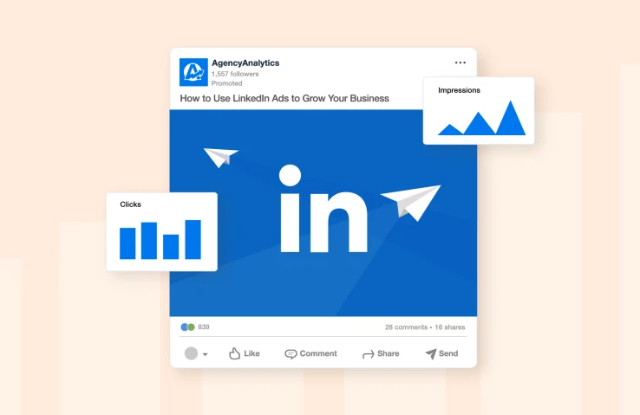
For modern marketing stacks, LinkedIn now occupies a critical middle layer — bridging top-of-funnel awareness with the kind of targeted, role-based reach that accelerates qualified pipeline. Understanding how to operate within that layer, starting with the Campaign Manager workflow, is where strategic advantage is built.
Mastering the LinkedIn Campaign Manager Workflow
LinkedIn advertising begins with a single, well-structured interface — Campaign Manager — where every targeting decision, budget, and creative element comes together before a single dollar is spent.
Campaign Manager is LinkedIn’s self-serve ad platform, and its layout is deliberately tiered. You work across three levels: the Campaign Group (your organizational container), the Campaign (where targeting and budget live), and the Ad (the creative itself). Understanding this hierarchy from the start prevents a common mistake — confusing campaign-level settings with ad-level controls — and keeps your account clean as spend scales.
Objective selection is the most consequential early decision you will make. LinkedIn structures objectives across three stages: Awareness (brand reach and impressions), Consideration (engagement, video views, website visits), and Conversion (lead generation, website conversions, job applicants). The platform’s algorithm optimizes delivery based on whichever objective you choose, so selecting Consideration when your goal is actually pipeline creates real inefficiencies. Matching objective to intent — not to what sounds aspirational — tends to produce far better results downstream.
Audience targeting is where LinkedIn’s professional data creates genuine separation from other channels. Within a single campaign, you can layer job title, seniority, company size, industry, and even specific LinkedIn Groups to narrow delivery to exactly the roles that influence purchase decisions. According to LinkedIn’s own advertising resources, the platform’s targeting draws directly from member-updated profile data, which keeps audience definitions current in a way that third-party list uploads rarely can. One practical approach is to start with a broader title-plus-seniority combination, review early performance, and tighten from there rather than over-constraining the audience at launch.
How your leads actually enter the funnel once an ad captures attention — specifically, whether they stay inside the LinkedIn environment or get redirected to an external page — turns out to matter significantly for conversion rates. That distinction is worth examining closely.
Why Native Lead Gen Forms Outperform External Landing Pages
When it comes to linkedin advertising how to actually capture leads at scale, the single most impactful decision is whether to keep prospects inside the LinkedIn environment or send them elsewhere.
LinkedIn drives approximately 80% of all B2B leads generated through social media, which makes every friction point in that capture process consequential. And the biggest source of friction is the redirect itself. When a user clicks an ad and lands on an external page — even a well-designed one — they break context. They leave a professional environment where their attention was already primed, wait for a page to load, and face a blank form that asks them to type in details they have memorized but would rather not. A meaningful share of them do not complete it.
Native Lead Gen Forms eliminate that drop-off pattern entirely. Pre-populated with the member’s LinkedIn profile data — name, title, company, email — these forms require little more than a single confirmation tap. The result is measurable: native Lead Gen Forms maintain a 6.1% average conversion rate, roughly five times higher than the conversion rate of off-platform landing pages.
That gap is not a marginal improvement. It represents a structural advantage. An external WordPress template may be visually polished and CMS-flexible, but it carries load-time delays, manual data entry requirements, and the psychological cost of leaving a trusted platform. Native forms sidestep all three. In practice, the same creative asset paired with a native form rather than an external URL will consistently yield higher submission volume without any change to audience targeting or spend. For B2B marketers serious about pipeline efficiency, that is an argument that is difficult to ignore.
Before optimizing your own form strategy, it is also worth understanding what your competitors are running — and what is working for them. That intelligence is more accessible than most marketers realize.
Leveraging the LinkedIn Ad Library for Competitive Intelligence
The LinkedIn Ad Library gives B2B marketers direct visibility into what competitors are actively running — making it one of the most underused research tools available without spending a single dollar.
Most marketers focus exclusively on optimizing their own campaigns while the answers to their toughest creative questions sit in plain sight. The Ad Library is a publicly accessible database of active ads running across the platform, and it requires no special access or paid subscription. You simply navigate to the Library, search by company name, and browse every live ad that organization is currently serving.
What makes this intelligence genuinely actionable is the combination of creative and structural data it surfaces. Rather than guessing what messaging resonates with a given professional audience, you can observe it directly and use those patterns to sharpen your own approach. Once you have identified relevant competitors to study, focus your analysis on three specific signals:
- Ad format distribution — Note whether a brand leans heavily on Sponsored Content, video, or carousel formats, since format choice often signals where they are seeing engagement.
- Headline and CTA patterns — Look for recurring language structures, offer framing, and urgency signals that appear across multiple ads, as repetition typically indicates what is converting.
- Campaign longevity — Ads that have been running for several weeks or longer are almost always profitable; short-lived creative is usually underperforming.
After pulling competitive insights from the Ad Library, the logical next step is returning to linkedin campaign manager and translating those findings into your own creative briefs. The goal is not imitation but informed differentiation — understanding the conventions your audience already responds to so you can meet them where attention already exists. And with that competitive foundation in place, the question becomes which ad formats give your message the best chance of breaking through — a decision that deserves its own careful examination.
Optimizing Ad Formats for Professional Engagement
Choosing the right LinkedIn ad format is not a cosmetic decision — it determines whether your message reaches professionals at the right moment, in the right context, for the right stage of their buying journey.
Sponsored Content is the foundational format for B2B awareness, appearing directly in the LinkedIn feed alongside organic posts. It blends into the professional browsing experience without feeling interruptive, which is why it tends to generate consistent engagement at scale. Single-image Sponsored Content paired with linkedin lead gen forms is particularly effective for middle-of-funnel audiences — those who know they have a problem but have not yet evaluated solutions. The combination captures intent without pulling prospects away from the platform, reinforcing the conversion logic discussed in earlier sections.
Video and Carousel ads serve a different purpose: they compress complex narratives into digestible, sequential formats. Video works especially well when a product requires demonstration — when showing the outcome is more convincing than describing it. Carousel ads extend that logic by letting you walk a prospect through multiple use cases, features, or customer outcomes within a single unit. Both formats tend to work better for longer sales cycles, where building comprehension before asking for a conversion is more productive than pushing for an immediate response.
Message and Conversation ads occupy the most direct position in the format spectrum. Delivered to a prospect’s LinkedIn inbox, they create a one-to-one feel at scale — a tone that is difficult to replicate through feed placements. Conversation ads, in particular, allow branching paths so recipients can self-select their interests, which surfaces intent signals that inform follow-up sequencing. However, inbox formats carry a higher risk of feeling intrusive if the targeting is too broad or the offer is not clearly relevant. Used with precision, though, they remain one of the most direct routes from an ad impression to a qualified conversation.
With a clear picture of how each format serves a distinct role in the funnel, the patterns that define effective LinkedIn advertising in 2026 start to come into focus — and the final takeaways are worth examining directly.
The Bottom Line: Key Takeaways for 2026
LinkedIn advertising in 2026 is not a supplementary channel — it is the primary infrastructure for B2B marketers who need qualified pipeline at scale, not just impressions.
The evidence across every dimension of the platform points in the same direction. Consider what the core principles distilled throughout this article actually mean in practice:
- LinkedIn generates 80% of B2B social leads. That figure is not a talking point — it reflects the structural advantage of a platform where professional identity, job title, and purchasing authority are all verified and self-reported. No other social environment offers that signal quality.
- Native Lead Gen Forms convert at roughly 5x the rate of external landing pages. Keeping prospects inside the LinkedIn environment removes friction at the exact moment intent peaks. That conversion gap is wide enough to fundamentally change pipeline economics without touching your targeting or budget.
- Competitive transparency is now accessible to every marketer. The LinkedIn Ad Library eliminates the guesswork around what messaging categories your competitors are committing to, allowing you to differentiate from an informed position rather than an isolated one.
- Self-serve targeting delivers precision that previously required enterprise-level media buying. Filtering by seniority, function, company size, and industry simultaneously means your spend reaches the exact professionals who influence purchasing decisions.
And taken together, these advantages compound. Each optimization — tighter targeting, native form capture, format selection informed by competitive research — reinforces the others. The result is a system rather than a collection of tactics. What remains is putting that system into practice somewhere you can document, iterate, and refine your thinking openly — which is a step worth examining on its own.
Testing Your Strategy on a Flexible Digital Space
The most effective LinkedIn advertisers treat their thinking as a living document — and a personal blog is where that discipline takes root.
Running LinkedIn campaigns generates a constant stream of decisions: which format to prioritize, how to frame a lead gen form offer, whether a competitor’s long-running creative signals genuine success or stubborn inertia. Documenting those decisions as you make them forces clarity that informal notes never produce. In practice, writing through your reasoning — even briefly — surfaces assumptions worth testing and creates a record that compounds over time.
Platform choice matters here. A WordPress-based blog tends to work better for new digital marketers than more complex alternatives because it removes friction between an idea and a published post. Platforms built on that foundation, such as Clickworkerr, extend that simplicity further by giving you a ready-made space to share initial analysis, test page layouts, and observe how an audience actually engages with your thinking. That feedback loop — from campaign insight to written hypothesis to reader response — sharpens strategic instincts in ways that internal spreadsheets cannot replicate.
And the stakes are low enough to make experimentation worthwhile. A flexible digital space costs you almost nothing to maintain, but it builds a body of documented reasoning that informs every future campaign decision. Start there: pick one insight from your next LinkedIn campaign, write it out plainly, and publish it. The act of explaining what you observed — and why it matters — is where strategy stops being abstract and starts becoming repeatable.